Our Facility
A fully integrated bulk liquid terminal on the Oude Maas in the Botlek area of Rotterdam.
Location
The terminal occupies a site at Oude Maasweg 50 in the Botlek, part of the Port of Rotterdam. The location places us inside one of Europe’s densest petrochemical clusters, with pipeline connections to neighbouring plants, direct road access to the A15 corridor, rail sidings on the national network and deep-water frontage on the Oude Maas.
Site layout
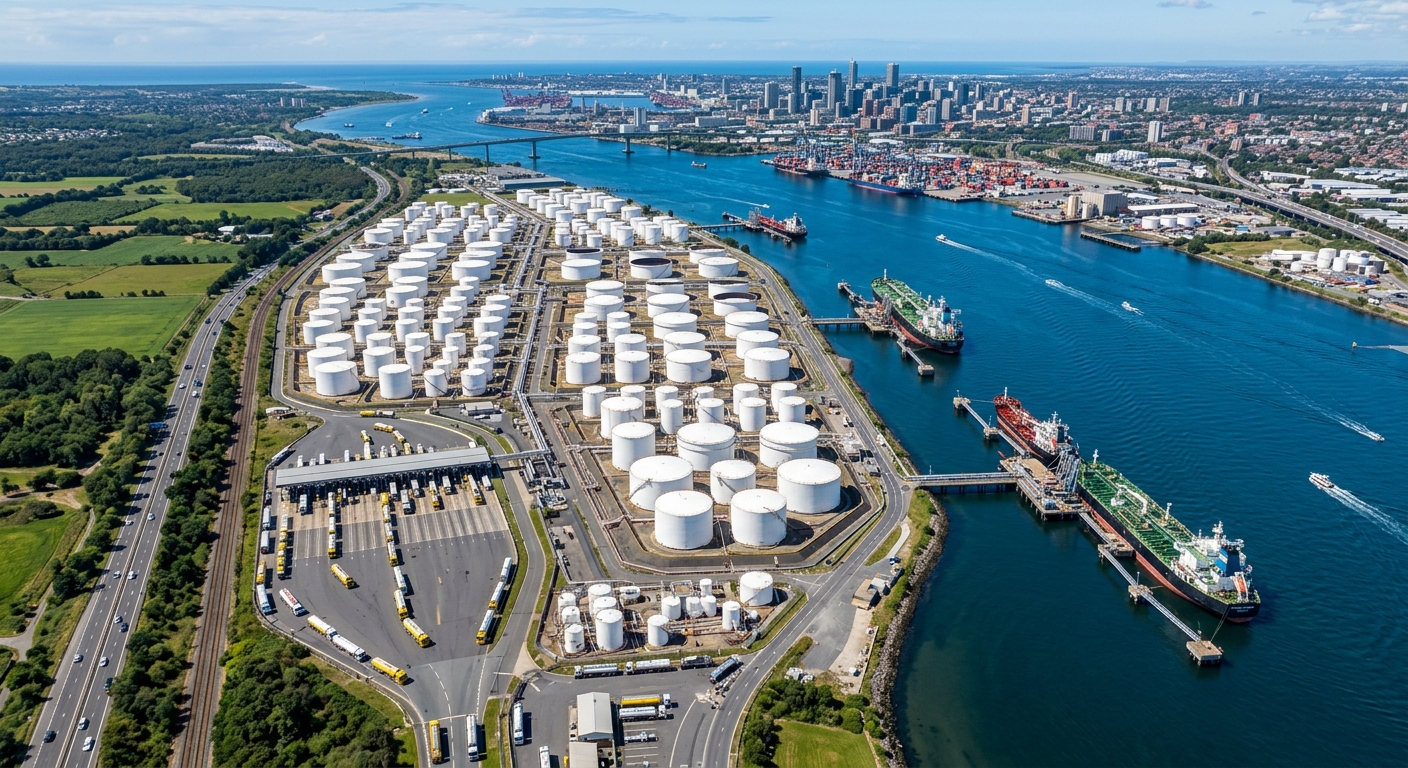
The terminal is arranged so that each activity has its own dedicated zone and traffic never crosses unnecessarily. Vessel and barge operations take place at the jetty on the water side. The tank farm occupies the central area of the site, arranged in bunded groups with separate containment for each product family. Road loading gantries sit at the landward edge with queuing space and a separate exit route. Rail loading is on a dedicated siding. The control room, laboratory, workshop and administration building are positioned in the safe central zone.
Containment and environmental protection
Every tank stands inside a bunded area sized to contain the full contents of the largest tank in the group plus firefighting water allowance. Bunds are lined and drained to a closed drainage system with oil-water separation and monitoring before any discharge. Vapour recovery and closed-loop loading are fitted on the gasoline and naphtha circuits.
Utilities and resilience
The site has dual electrical feeds, on-site standby generation for critical systems, its own firefighting water ring main with foam provision, compressed air, steam and nitrogen generation. Control systems run on redundant servers with uninterruptible power, so a utility interruption does not compromise stored product or safety systems.
Security and access
Access is controlled and logged at a single gate. The perimeter is fenced and monitored, with vessel arrivals pre-notified through the port authority system. Visitors and drivers complete site induction before entry, and all personnel working on site hold the required safety certification.
Facility walkthrough
Terminal overview — tank farm, jetty and loading gantries.
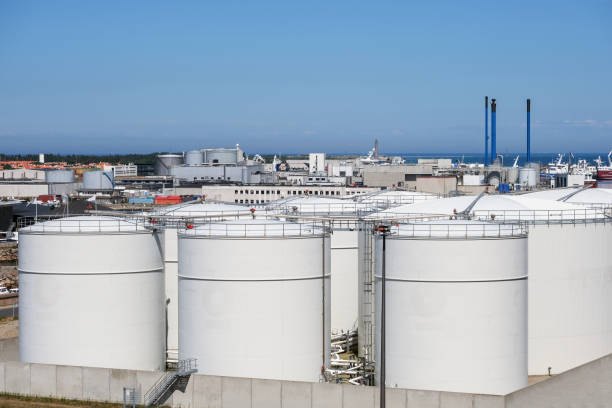
Tank farm with pipework and marine access.
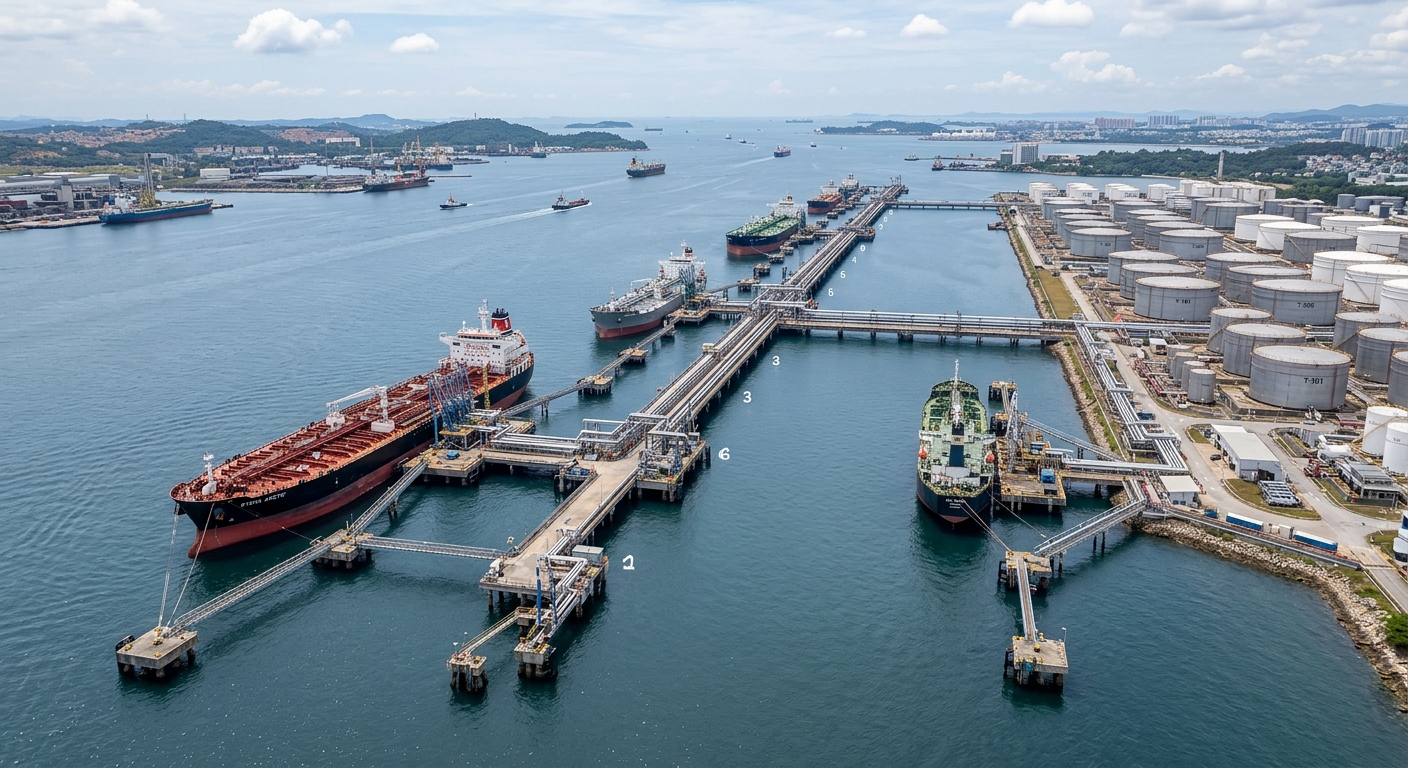
Jetty — six berths for vessels and barges.
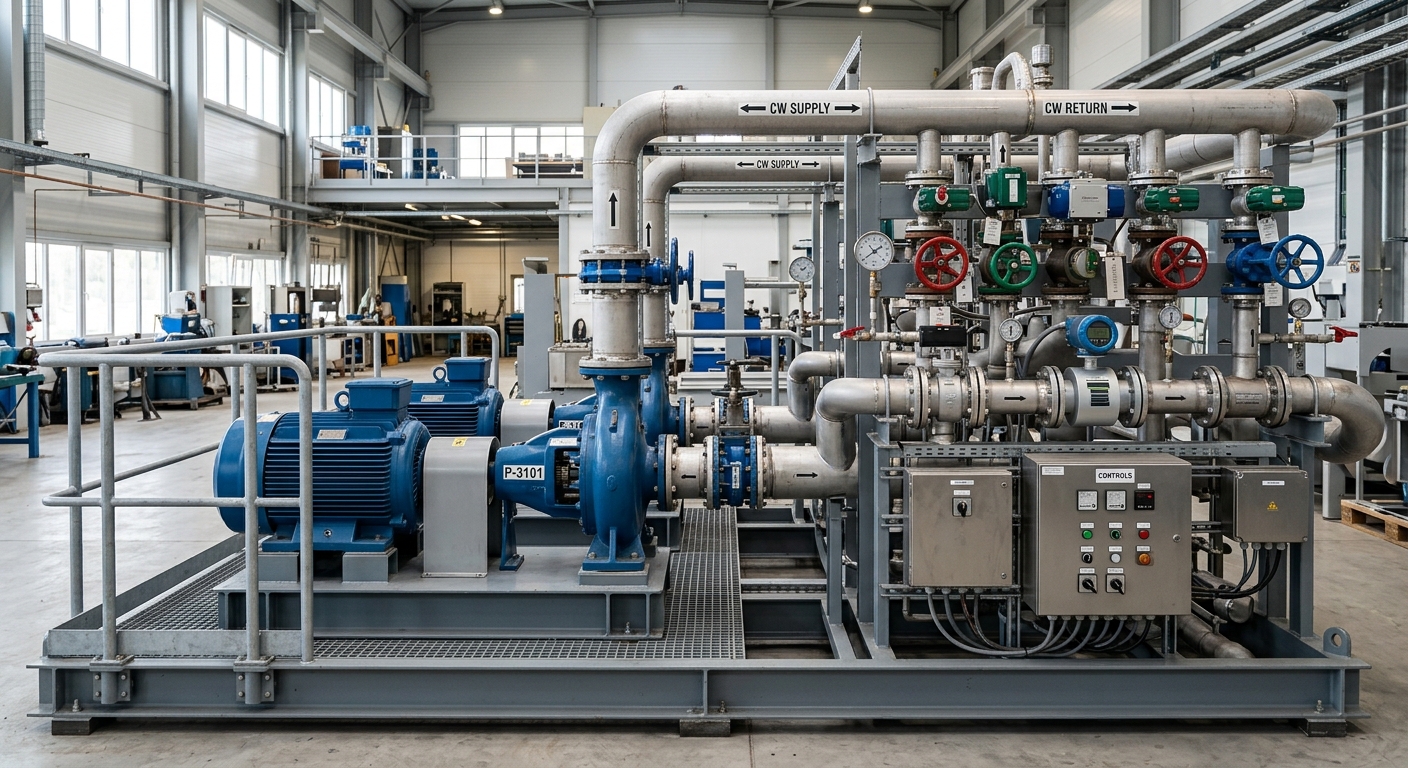
Pump and metering skids.
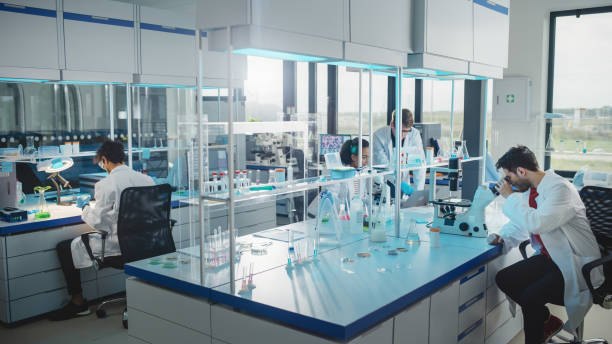
On-site laboratory for receipt and dispatch testing.
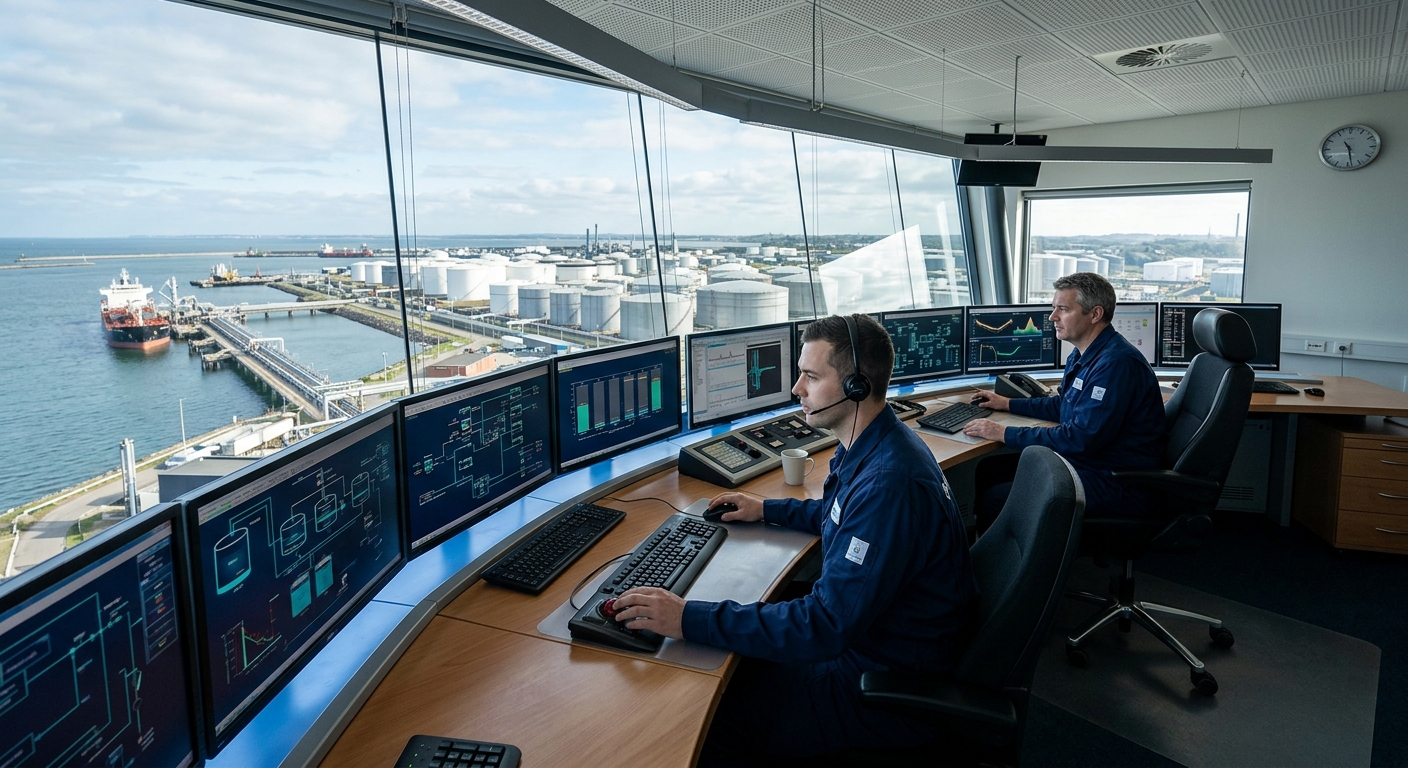
Control room — continuous monitoring of all movements.
Built so that the safe answer is also the easy one
Terminal design shapes behaviour. Where a bypass is easy, it will eventually be used; where the correct route is the shortest route, it becomes the default. Our layout, valve interlocks and procedures are all built on that principle.
Loading operations are interlocked so a vehicle cannot be filled without earthing, and tank transfers cannot be routed to a tank that is out of specification for the product. Alarms are presented in the control room in priority order, and every override requires a recorded justification.
The result is a facility where regulatory compliance is a by-product of ordinary operation rather than something that has to be remembered under time pressure.

Arrange a site visit
We welcome customer inspections and audits. Contact our operations team to arrange access and induction.